
Diabetes & Metabolic Dysfunction
Balance Blood Sugar, Boost Energy, and Restore Health for a Better, Happier Life!
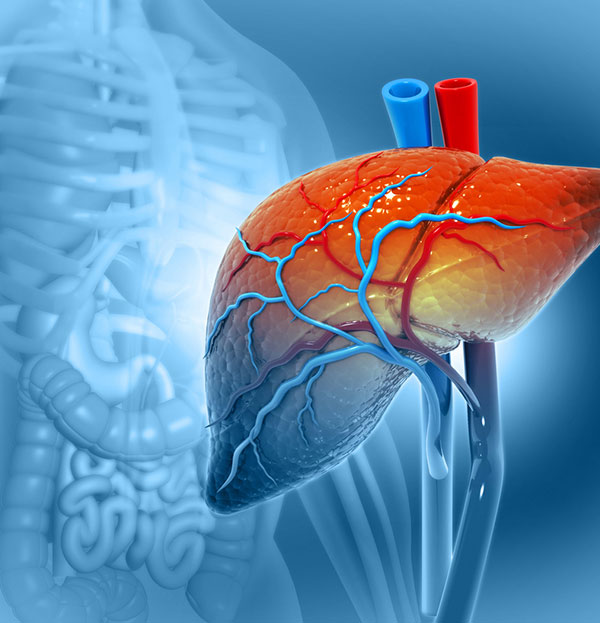

Diabetes & Metabolic Dysfunction: A Holistic Approach with Acupuncture, Nutrition & Botanical Medicine
Metabolic dysfunction—particularly when it involves diabetes—affects millions of people worldwide. While conventional medicine often relies on medications to manage blood sugar, there’s a growing recognition that a comprehensive, integrative approach can significantly improve outcomes. Acupuncture, nutrition, and botanical medicine can work together to help balance blood glucose, enhance insulin sensitivity, and address the root causes of metabolic
imbalance.
Understanding Metabolic Dysfunction
- Insulin Resistance: A key factor in Type 2 diabetes, insulin resistance occurs when cells become less responsive to the hormone that regulates blood sugar, leading to elevated blood glucose and a cascade of health complications.
- Chronic Inflammation: Often tied to poor dietary choices, stress, and excess weight, inflammation can worsen insulin resistance and other metabolic issues.
- Lifestyle Factors: Lack of exercise, high-stress environments, and poor sleep patterns all contribute to metabolic dysfunction.
Acupuncture for Diabetes and Metabolic Health
Regulating Blood Sugar and Hormones
Acupuncture stimulates specific points that may help the body regulate hormones, including insulin. By promoting better blood flow and reducing stress hormones like cortisol, acupuncture can aid in balancing glucose levels.
Reducing Stress and Inflammation
Chronic stress elevates cortisol, which can lead to higher blood sugar and aggravate insulin resistance. Acupuncture can activate the parasympathetic nervous system—often called the “rest and digest” mode—helping to lower stress-related inflammation.
Enhancing Circulation and Organ Function
Poor circulation is a common complication in diabetes. Acupuncture aims to increase blood flow in targeted areas, potentially supporting organ function and nutrient delivery to cells.
Targeted Nutrition for Better Glycemic Control
1- Balanced Macronutrients
A diet that features high-quality proteins, healthy fats, and complex carbohydrates can
help stabilize blood sugar levels throughout the day
2- Low Glycemic Foods
Foods like whole grains, legumes, non-starchy vegetables, and berries release sugar more slowly, preventing sharp spikes in blood glucose
3- Fiber and Probiotics
Adequate fiber supports healthy digestion and slows glucose absorption. Probiotic-rich foods or supplements can also influence metabolic health by improving gut microbiome balance.
4- Nutrient Timing
Eating smaller, more frequent meals—or following a time-restricted eating plan—can help maintain steady blood sugar. The best approach often depends on individual lifestyle and health considerations.

Botanical Medicine for Metabolic Balance
Herbs That Support Blood Sugar Control
- Cinnamon: Research suggests it may improve insulin sensitivity.
- Gymnema Sylvestre: Known as the “sugar destroyer,” it can reduce sugar cravings and support pancreatic function.
- Berberine: Found in plants like Goldenseal and Barberry, it has been studied for its potential to improve insulin resistance and gut health.
Adaptogens for Stress Management
- Ashwagandha, Rhodiola, and Holy Basil can help regulate cortisol levels and enhance overall resilience—benefits that may indirectly support healthier blood sugar control
Anti-Inflammatory Plants
- Turmeric (Curcumin): Its potent anti-inflammatory properties can help reduce the inflammatory stress often associated with insulin resistance.

Crafting a Holistic Plan
- Individual Assessment
Every person with diabetes or metabolic dysfunction has unique needs. Factors like family history, stress levels, and coexisting health conditions shape the ideal combination of acupuncture, diet, and herbs. - Lifestyle Integration
Beyond clinical treatments, daily habits—such as consistent physical activity,
mindfulness practices, and adequate sleep—are crucial for maintaining stable blood sugar and metabolic function. - Ongoing Monitoring
Regular check-ins (including lab work) help track improvements in blood glucose, HbA1c levels, inflammation markers, and overall well-being, allowing for tailored adjustments along the way.

Final Thoughts
Addressing diabetes and metabolic dysfunction is a multidimensional process. By combining acupuncture’s ability to balance the body, nutritional strategies that stabilize blood sugar, and the targeted use of botanical medicines, individuals can make significant strides in managing—if not reversing—some aspects of metabolic imbalance. This comprehensive, holistic approach not only supports healthier blood sugar control but can also enhance vitality, emotional well-being, and overall quality of life.
Book an appointment.
Schedule online
Contact Us: 415-630-5322
Or fill out our online form