Acupuncture for People Who Don’t Believe in Acupuncture
Why it works even if you’re skeptical.
Let’s Start Here: You Don’t Have to Believe in Acupuncture
You also don’t have to believe in gravity for gravity to work.
Same with digestion, hormones, your stress response, or your phone battery mysteriously dying
at 12%.
Acupuncture doesn’t need your belief system to operate.
It’s not placebo-dependent. It’s physiology-dependent.
You can lie on the table thinking, “This is nonsense,” and your nervous system will still respond.
That’s biology, not belief.
The Big Skeptic Line: “Science hasn’t proven the
existence of meridians.”
This is the hill skeptics LOVE to die on.
And… it’s the wrong hill.
Meridians were early biomedical metaphors — a map drawn before technology existed to explain connected patterns in the body. They weren’t meant to be literal tubes of energy glowing
under the skin.
What skeptics miss is this:
Modern science has already identified multiple measurable mechanisms behind acupuncture.
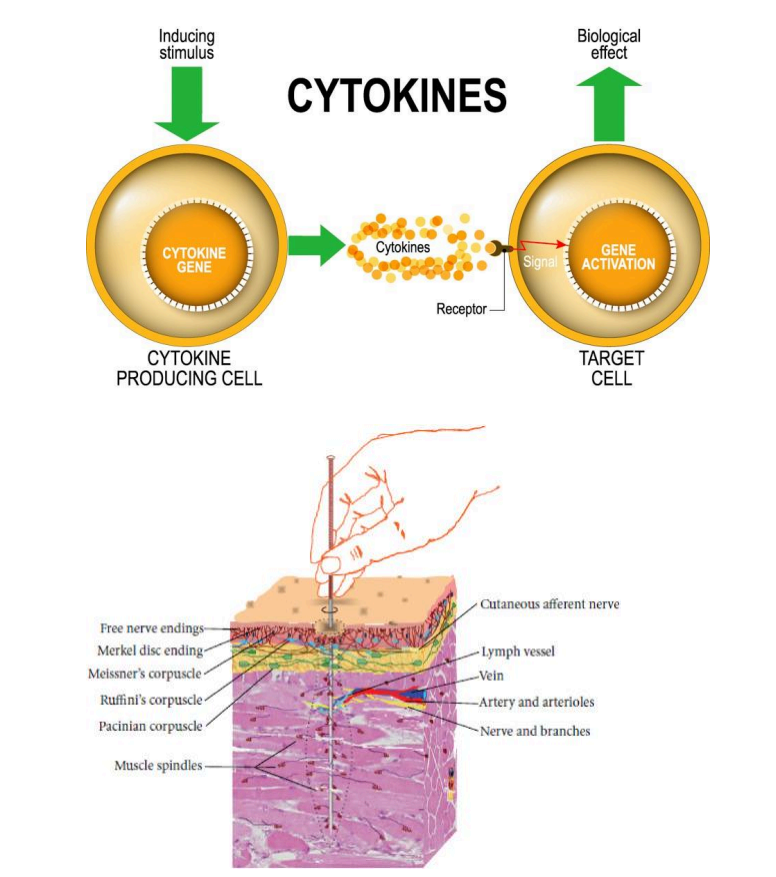
Here’s what has been shown:
1. Acupuncture changes brain activity
Functional MRI (fMRI) shows that specific acupuncture points produce specific, reproducible
changes in the brain — including regions involved in pain, emotions, and autonomic regulation.
2. It modulates inflammation
Research shows acupuncture influences cytokines, neuropeptides, and inflammatory signaling.
Translation: it tells your immune system to chill when it’s overreacting.
3. It regulates the autonomic nervous system
Acupuncture shifts the body out of fight-or-flight and into rest-and-repair.
This is huge for anxiety, pain, sleep, digestion, and hormonal balance.
4. It affects connective tissue and fascia
Needling creates measurable mechanical and electrical changes in fascia — one of the most
innervated and influential systems in your entire body.
None of these mechanisms require believing in Qi, energy highways, or mystical anything.
They require a functioning body — which you have.
The Meridians Debate = A Distraction
You can throw out the entire meridian map if it bothers you. Seriously.
Acupuncture still works.
If ancient practitioners had access to MRI machines, ultrasound elastography, or molecular biology, they would have described the system differently. Their map wasn’t perfect, but it was accurate enough to get clinical results for thousands of years.
Different map.
Same terrain.
“But if acupuncture works, why don’t we understand allof it?”
Because we don’t understand all of anything:
● We don’t fully understand consciousness.
● We don’t fully understand how anesthesia works.
● In 2018 we discovered an organ (the interstitium!) we somehow missed earlier.
● The microbiome was “woo” 20 years ago and is now a cornerstone of medicine.
Science is not a finished book.
Acupuncture is in the “we understand a lot, and the rest is unfolding” chapter.
The Misconception:
Acupuncture Is Faith-Based
Nope. That’s religion.
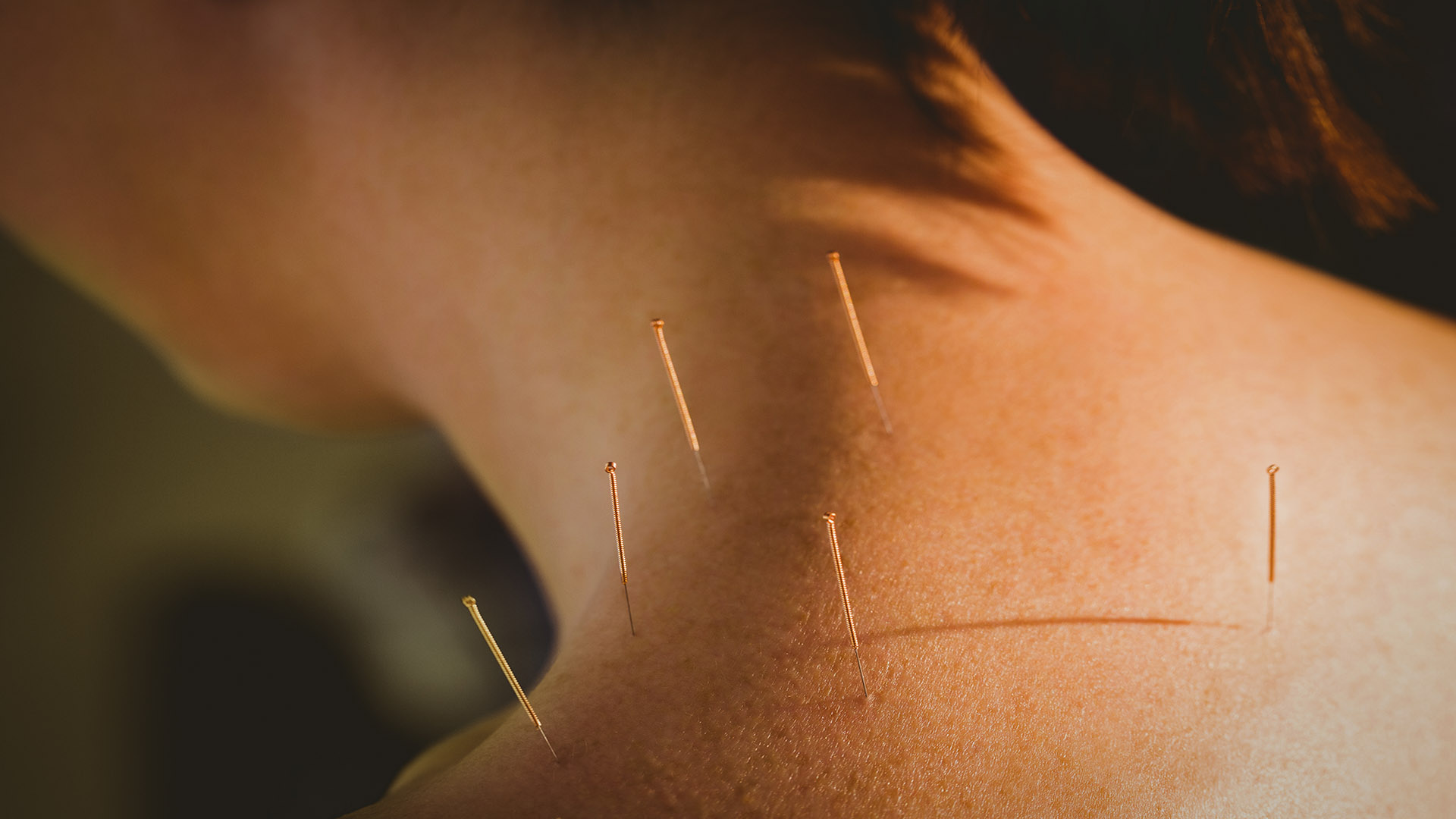
Acupuncture is stimulus → response.
You lie down.
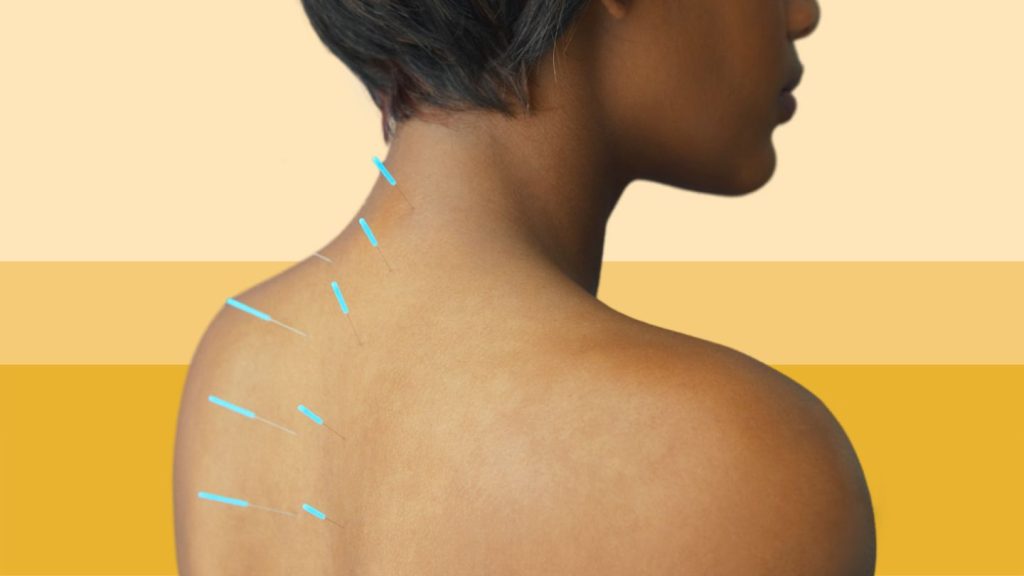
Needles are placed.
Your nervous system reacts.
Inflammatory pathways shift.
Blood flow changes.
Pain signaling rewires.
Belief optional.
Bring your doubt.
Bring your folded arms.
Bring your “I Googled meridians and I remain unimpressed.”
Your physiology will still play ball.
What Acupuncture Can Help With (According to
Research)
Here’s where the SEO magic happens while still sounding human:
● chronic pain conditions
● low back pain
● neck pain
● migraines and headaches
● anxiety and stress
● sleep issues (insomnia)
● digestive problems
● women’s health + hormones
● chemotherapy-related side effects
● sports injury recovery
These are among the most researched applications of acupuncture, and yes — many of
them have high-quality evidence supporting them.
So Who Is This Blog For?
This is for:
● the skeptics
● the science-only crowd
● the “show me the data” people
● the people whose friends swear acupuncture works, but they’re still side-eyeing it
● the ones who want results but not mysticism
It’s also for anyone whose body is asking for help their beliefs can’t provide.
Pain, inflammation, burnout, stress, gut issues, sleep — none of these things care what you
think about meridians. But they do care when your body gets the support it needs.
The Bottom Line
You don’t have to believe in acupuncture.
You only have to have a nervous system.
Acupuncture doesn’t ask for your faith.
It asks for your body — and your body responds.
If you’re skeptical? Cool.
You’re my favorite kind of patient.
You don’t have to believe in acupuncture for acupuncture to believe in you
Scientific References
Brain + Neurological Effects
● Hui, K.K.S., et al. Acupuncture modulates the limbic system and subcortical gray
structures of the human brain: evidence from fMRI studies. Human Brain Mapping,
2005.
● Napadow, V., et al. Intrinsic brain connectivity changes associated with treatment
response in chronic low back pain patients with acupuncture. NeuroImage, 2018.
Inflammation + Immune Response
● Zijlstra, F.J., et al. Anti-inflammatory actions of acupuncture. Mediators of
Inflammation, 2003.
● Torres-Rosas, R., et al. Vagus nerve stimulation by acupuncture inhibits systemic
inflammation. Nature Medicine, 2014.
Connective Tissue Mechanisms
● Langevin, H.M., et al. Mechanical signaling through connective tissue: a mechanism for the therapeutic effects of acupuncture. The FASEB Journal, 2001.
Pain Research
● Vickers, A.J., et al. Acupuncture for chronic pain: individual patient data meta-analysis.
Archives of Internal Medicine, 2012.
If anxiety has been affecting your sleep, digestion, focus, or ability to truly relax, acupuncture and functional medicine can offer a different approach — one that works with your physiology, not against it.
If you’re in San Rafael or Marin County and want to explore this work, you can schedule an appointment through the booking page or reach out with questions