Acupuncture and Cancer Support: A Holistic Approach to Healing
A cancer diagnosis is a profound and life-altering experience, impacting not only the body but also the mind and spirit. As a practitioner, I’ve seen rsthand how conventional treatments like chemotherapy, radiation, and surgery are essential in ghting the disease. However, I also understand that many patients seek complementary therapies to alleviate side effects and enhance their overall well-being. One of the most powerful and time-tested therapies I’ve integrated into my practice is acupuncture.
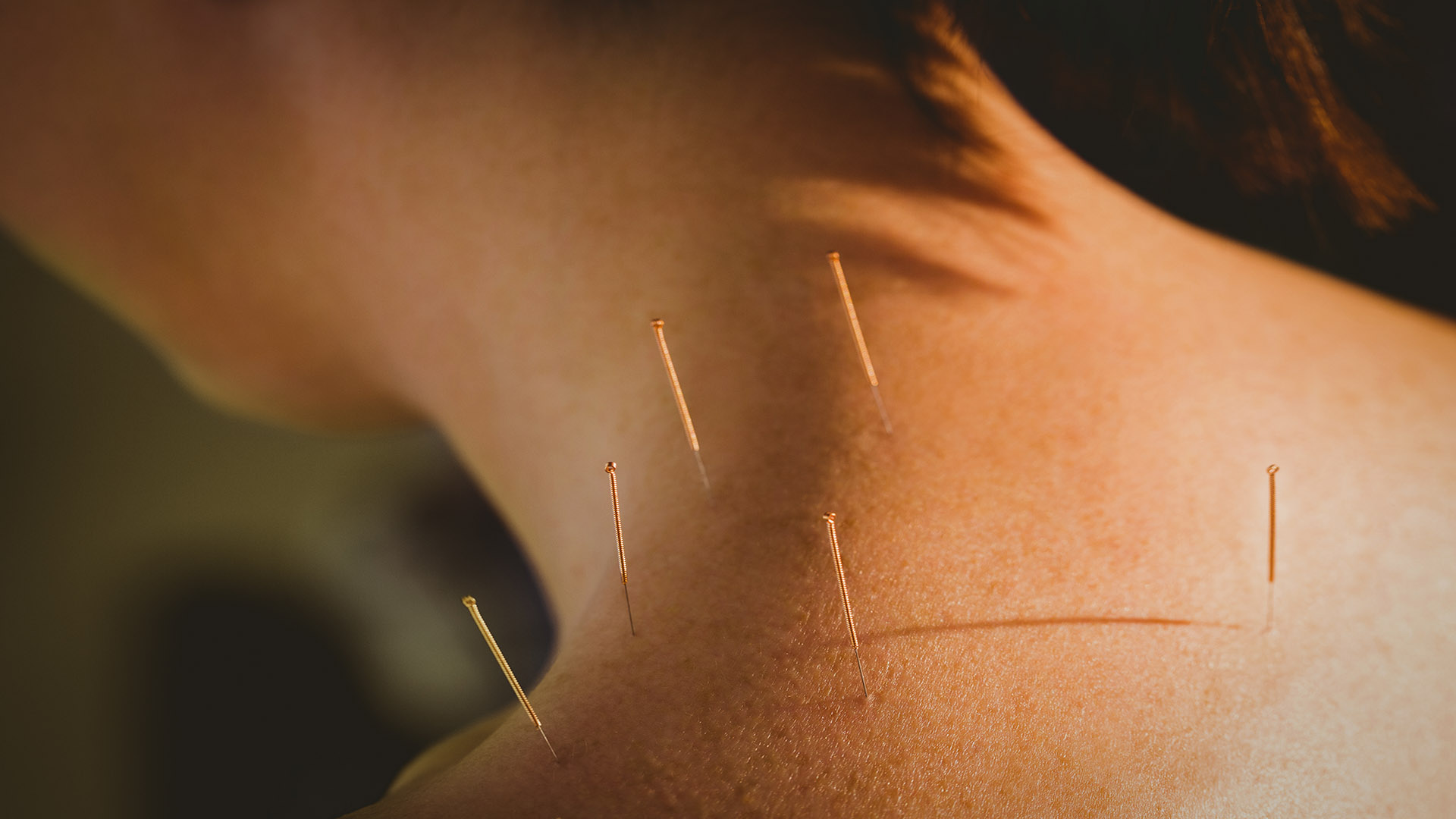
Acupuncture, a cornerstone of Traditional Chinese Medicine (TCM), involves the gentle insertion of thin needles into specic points on the body to restore balance and promote healing. When used alongside conventional cancer care, acupuncture can offer signicant relief from treatment-related side effects, helping patients navigate their healing journey with greater comfort and resilience.

How Acupuncture Supports Cancer Patients
1. Managing Chemotherapy-Induced Nausea and Vomiting
One of the most well-documented benets of acupuncture is its ability to reduce nausea and vomiting caused by chemotherapy. In my practice, I’ve seen how stimulating specic points, such as P6 (Neiguan) on the wrist, can help patients tolerate chemotherapy treatments more effectively. It’s heartening to see oncology centers increasingly recommending acupuncture as part of a supportive care plan.
2. Reducing Cancer-Related Pain
Pain, whether from the disease itself or its treatments, can be overwhelming. Acupuncture offers a non-invasive, drug-free option for pain management by stimulating the body’s natural pain-relieving chemicals, such as endorphins and serotonin. Whether it’s post-surgical pain, neuropathy from chemotherapy, or generalized body aches, I’ve witnessed how acupuncture can bring meaningful relief to my patients.
3. Easing Fatigue and Boosting Energy
Cancer-related fatigue is one of the most common and distressing symptoms I hear about from my patients. Acupuncture works with the body’s natural energy ow (Qi) to restore vitality and combat exhaustion. Many of my patients report feeling more energized and refreshed after regular sessions, which is incredibly rewarding to see.
4. Supporting the Immune System
Cancer treatments can weaken the immune system, leaving patients more vulnerable to infections. Acupuncture helps regulate immune function by increasing white blood cell activity and reducing inammation. This not only aids the body in defending itself but also supports recovery from treatments.
5. Improving Sleep Quality
Sleep disturbances are a frequent concern for cancer patients, often due to pain, stress, or anxiety. Acupuncture promotes relaxation and helps regulate the nervous system, making it easier for patients to fall and stay asleep. By stimulating points like HT7 (Shenmen) and Anmian (Sleep Peaceful), I’ve seen patients achieve more restful and restorative sleep.
6. Reducing Anxiety, Depression, and Emotional Distress
A cancer diagnosis can bring immense emotional distress. Acupuncture activates the parasympathetic nervous system, helping to reduce stress, anxiety, and depression. Many of my patients share that they feel calmer and more balanced after treatments, which allows them to cope better with their condition.
7. Alleviating Dry Mouth and Other Radiation Side Effects
For patients undergoing radiation therapy, side effects like dry mouth, diculty swallowing, and skin irritation can be particularly challenging. Acupuncture has been shown to stimulate salivary gland function and promote tissue healing, offering relief from these discomforts.

Integrating Acupuncture with Conventional Cancer Care
In my experience, acupuncture is most effective when used as part of an integrative cancer care plan. Many leading cancer centers, such as Memorial Sloan Kettering and MD Anderson, now offer acupuncture services alongside traditional treatments. I always emphasize the importance of working with a licensed acupuncturist who has experience in oncology care to ensure safe and effective treatment.
What to Expect in an Acupuncture Session
During a session, I take the time to assess each patient’s specic symptoms and overall health before placing ne needles at targeted points. Sessions typically last 30-60 minutes, and most patients nd the process deeply relaxing. The number of treatments varies depending on individual needs, but many patients notice benets after just a few sessions.
Final Thoughts
Acupuncture is a gentle yet powerful way to support cancer patients throughout their journey. Whether it’s managing side effects, enhancing well-being, or promoting overall
balance, acupuncture offers a holistic complement to conventional treatments. If you or a loved one are undergoing cancer treatment, I encourage you to explore acupuncture as part of a comprehensive care plan.
If you’d like to learn more about how acupuncture can support you or someone you love during cancer treatment, please don’t hesitate to reach out. You can call me at 415-630-5322 or schedule a new patient appointment. Healing is not just about ghting disease—it’s about restoring balance, comfort, and quality of life. Together, we can work toward a more holistic and compassionate approach to your care.