Every step we take in life matters. But for those grappling with knee pain, every step can feel like a battle. The knees, vital hinges that carry us forward, are vulnerable to wear, injury, and chronic conditions like arthritis. When pain strikes, it doesn’t just hinder movement; it challenges independence, productivity, and quality of life.
It’s time to look at an alternative path—one rooted in ancient wisdom yet resonating with the modern quest for liberation from pain: acupuncture.
What Is Acupuncture?
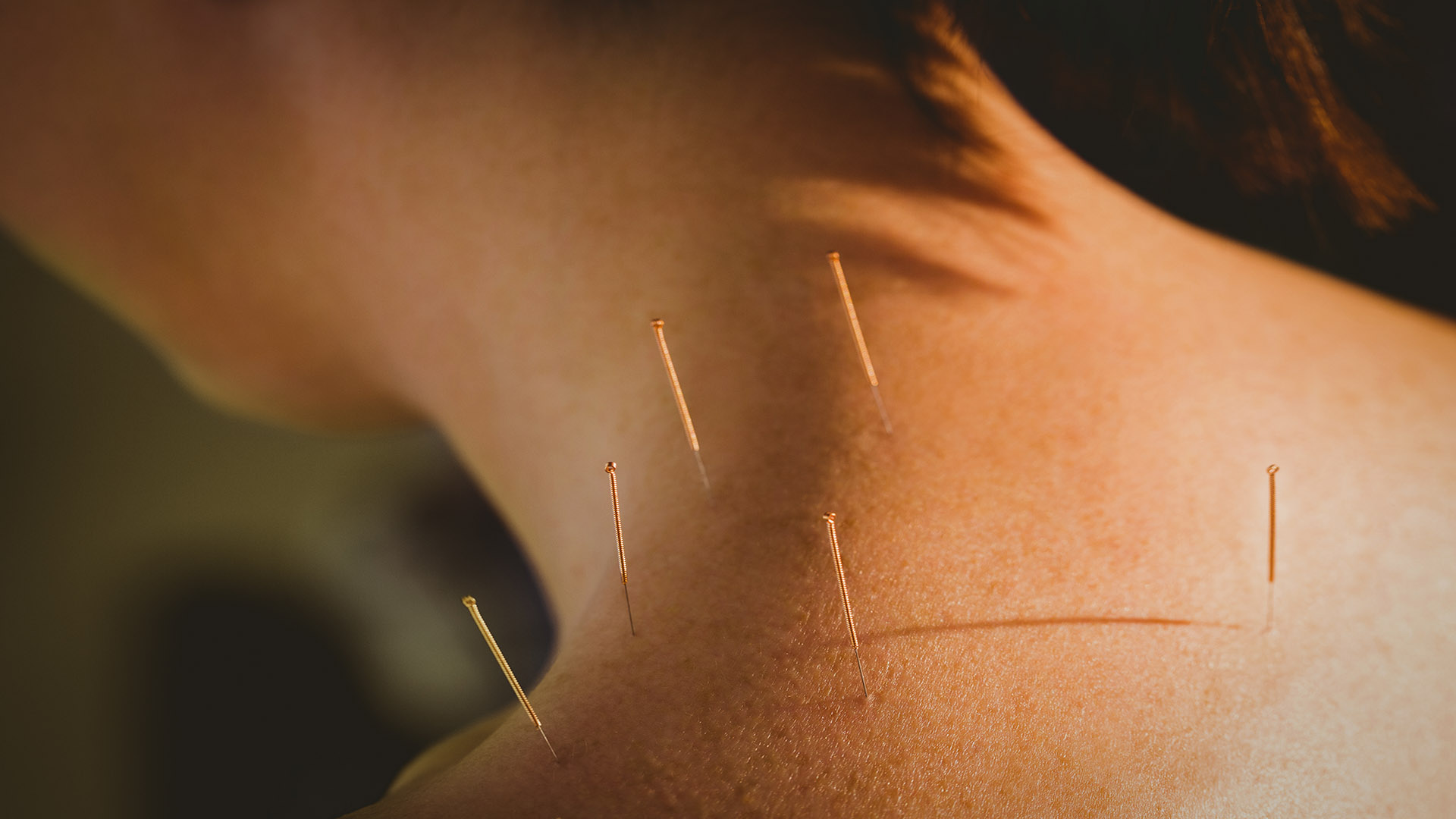
Acupuncture is more than just an ancient practice; it’s a philosophy of healing that respects the body’s innate ability to restore itself. Originating from Chinese medicine, acupuncture involves inserting fine needles into specific points on the body to stimulate blood flow, reduce pain, and promote balance.
When it comes to knee pain, acupuncture addresses not just the surface-level symptoms but the deeper imbalances that contribute to the condition. By targeting specific points, acupuncture can increase blood flow, reduce inflammation, and release endorphins—the body’s natural pain relievers.
Why Consider Acupuncture for Knee Pain?
Many of us are steered toward conventional treatments—painkillers, physical therapy, or even surgery. While these approaches have their place, they often treat the symptoms without addressing the root cause. Worse, they can come with side effects or leave us reliant on external solutions.
Acupuncture offers something different. It’s not about masking the pain; it’s about working with your body to achieve lasting relief. Studies have shown that acupuncture can effectively reduce knee pain, especially for conditions like osteoarthritis. By activating the body’s natural healing mechanisms, it fosters a sense of empowerment—reclaiming the freedom to move without pain holding you back.
The Path to Relief: What to Expect
- Assessment and Personalization
Your journey begins with a licensed acupuncturist who will evaluate your condition. Acupuncture isn’t one-size-fits-all; treatments are tailored to your specific needs. - The Sessions
During a session, fine needles are gently inserted at key points. For knee pain, this often involves areas around the knees and other connected points in the body. The process is typically painless and deeply relaxing. - Consistency Is Key
Healing through acupuncture takes time. While some experience relief after the first session, a series of treatments is often necessary to fully address the issue. - A Holistic Approach
Acupuncture works best when paired with lifestyle adjustments, such as gentle exercises, stretching, and a diet that reduces inflammation. Together, these create a foundation for long-term health.
Empowerment Through Alternatives
Turning to acupuncture is not just about choosing an alternative treatment—it’s about reclaiming autonomy over your health. It’s about saying, “I will explore every avenue to take control of my life and my pain.”
Acupuncture invites us to shift our perspective, moving away from temporary fixes and toward solutions that honor the interconnectedness of the body, mind, and spirit. It’s a reminder that healing doesn’t have to come at the cost of dependency on medications or invasive procedures. Instead, it can come from within.
Moving Forward, Pain-Free
Knee pain doesn’t have to dictate your life. Acupuncture offers a path to freedom—freedom to walk without wincing, to move without hesitation, to live without limits. It’s not just about needles and meridians; it’s about believing in your body’s ability to heal and taking action to make that happen.
For those ready to embrace a new approach, acupuncture could be the key to unlocking a life where every step forward is one of strength, independence, and renewed vitality.
As we move forward, let’s remember: the path to freedom is built one step at a time. And those steps begin with the decision to heal.