The Black Panther Party, founded in 1966 by Huey Newton and Bobby Seale, is best remembered as a revolutionary movement advocating for Black empowerment, community self-sufficiency, and resistance to systemic racism. While their legacy often centers on political activism, their pioneering community programs—including free breakfast initiatives, health clinics, and education projects—illustrate a broader commitment to holistic community well-being. One lesser-known but fascinating aspect of their work is their early adoption and promotion of acupuncture as a tool for healing, especially for individuals battling addiction and stress.
Health Activism: A Core Tenet of the Black Panthers
Healthcare was a cornerstone of the Black Panther Party’s community programs. By the late 1960s, the Party recognized the health disparities and systemic neglect of Black communities, leading to the establishment of People’s Free Medical Clinics (PFMCs). These clinics offered free healthcare services and education, ranging from general medical care to screenings for conditions like sickle cell anemia.
Their focus on accessible healthcare reflected a revolutionary perspective: that health is a human right and that systemic racism in medicine needed to be addressed. This foundation of health activism paved the way for their interest in acupuncture as an alternative, community-driven method of care.
The Connection to Acupuncture: Addressing Addiction and Stress
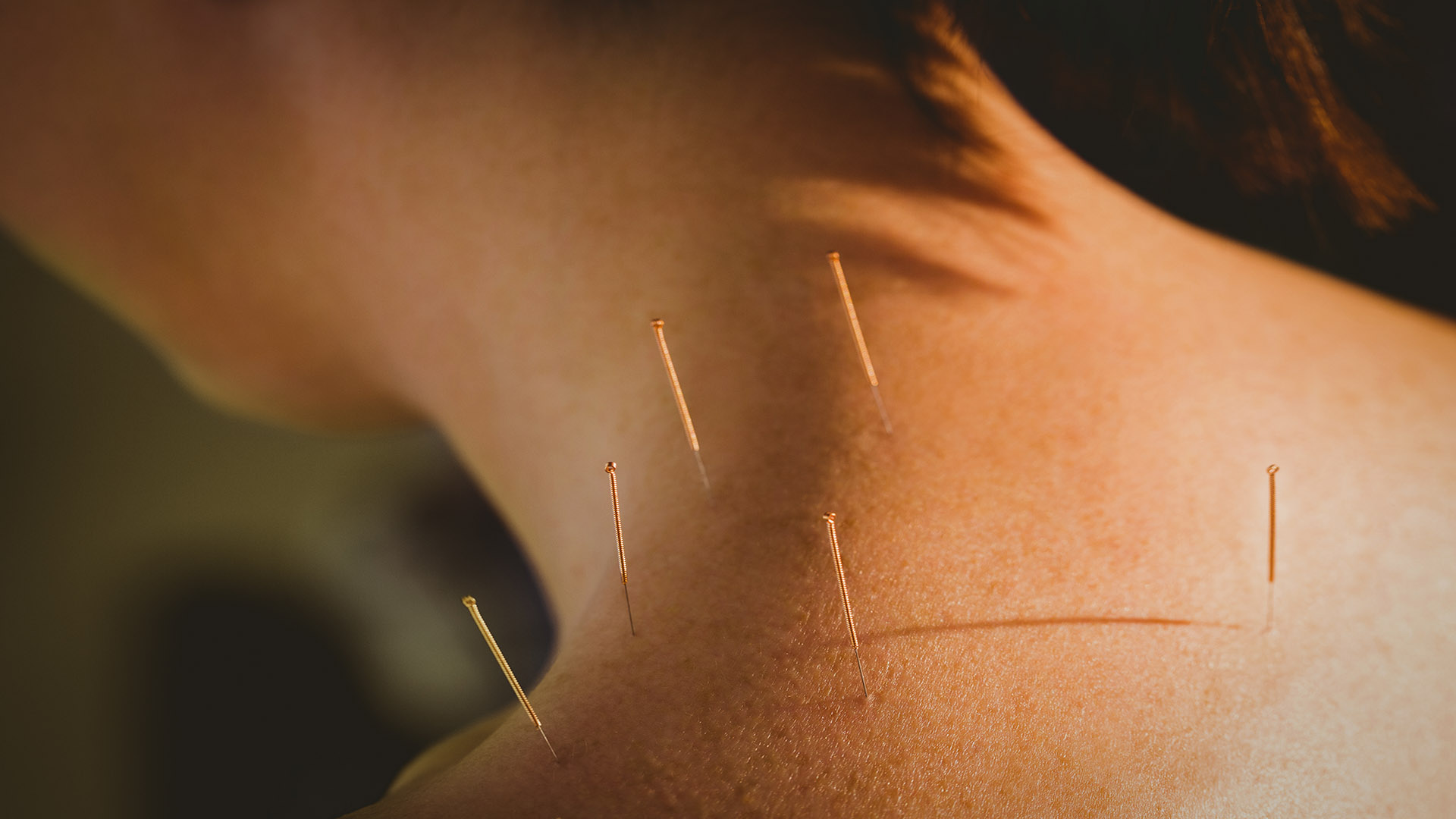
The Black Panther Party’s engagement with acupuncture was partly inspired by the global exchange of ideas among liberation movements. In the early 1970s, members of the Party began collaborating with the Lincoln Detox Center in the Bronx, New York. The center was an innovative clinic addressing heroin addiction in Black and Latino communities through detoxification, community support, and acupuncture.
Acupuncture became an essential tool in treating withdrawal symptoms and stress without relying on pharmaceuticals, which were often inaccessible or mistrusted. The practice aligned with the Panthers’ values by offering a low-cost, non-invasive solution controlled by the community itself. Party members trained in acupuncture techniques to provide these services, reflecting their ethos of empowering communities with the tools they needed for self-care.
The Science and Symbolism of Acupuncture
Acupuncture’s effectiveness in addiction treatment lies in its ability to alleviate withdrawal symptoms, reduce cravings, and promote relaxation. Techniques such as ear acupuncture (auriculotherapy) became central to these programs. The practice’s cultural origins in East Asian medicine also resonated with the Panthers’ commitment to international solidarity, as they frequently drew connections between global liberation struggles and their own.
Legacy and Modern Implications
The Black Panther Party’s adoption of acupuncture remains a striking example of their innovative approach to health and community empowerment. Today, acupuncture is widely recognized in the United States as a complementary treatment for a variety of conditions, but its roots in community-based movements like the Panthers’ health programs are often overlooked.
By integrating holistic practices into their activism, the Panthers highlighted the intersection of health, empowerment, and resistance. Their work serves as a reminder that revolutionary change often begins with addressing the immediate needs of the people, fostering both resilience and self-sufficiency.
Final Thoughts
The Black Panther Party’s legacy is far more expansive than commonly understood. Their embrace of acupuncture as a healing tool underscores their forward-thinking approach to health and justice, one that continues to inspire community-driven healthcare solutions today. Whether through their clinics or their collaboration with alternative medicine, the Panthers demonstrated that addressing health inequities is a vital part of the fight for liberation.