Addressing Biotoxins with Integrative & Functional Medicine and Acupuncture
Exposure to biotoxins such as mold and tick-borne pathogens can lead to chronic, debilitating health issues. Mold often lurks in damp indoor environments, while tick-borne illnesses—like Lyme disease—are common in wooded or grassy areas. Integrative and functional medicine, paired with acupuncture, can offer a comprehensive strategy to both detect and address these complex conditions.

Understanding Biotoxin-Related Illness
What Are Biotoxins?
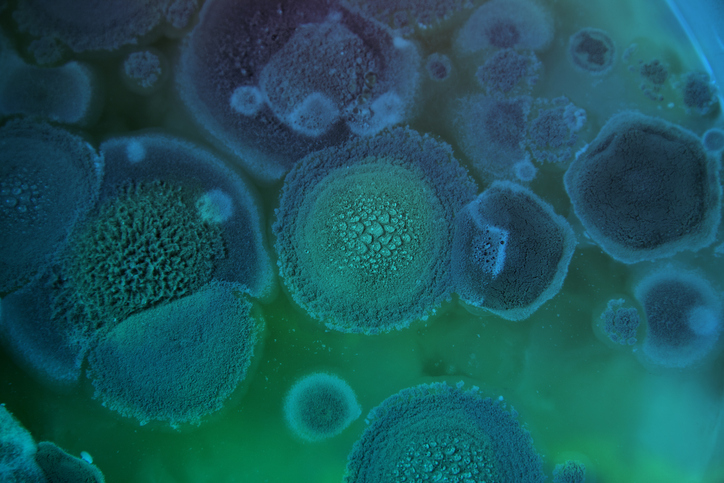
Biotoxins are toxic substances produced by living organisms, including molds, bacteria, and certain parasites. When these toxins enter the body—whether through inhalation, ingestion, or a bug bite—they can disrupt immune, neurological, and endocrine functions.
Common Symptoms
- Fatigue and weakness
- Cognitive difficulties (brain fog, memory issues)
- Headaches or migraines
- Joint and muscle pain
- Respiratory problems or sinus issues
- Mood changes, anxiety, or depression
Because these symptoms can be so varied and nonspecific, many individuals struggle to find the correct diagnosis.
Integrative & Functional Medicine Approaches
- Comprehensive Testing and Diagnosis
Functional medicine practitioners use specialized lab tests to identify mold exposure (e.g., mycotoxin tests) or tick-borne pathogens (e.g., Lyme co-infection panels). By pinpointing the root cause, it’s easier to craft a personalized treatment plan. - Nutritional Support
- Anti-Inflammatory Diet: A nutrient-dense diet rich in whole foods can help calm immune reactivity.
- Detoxification Support: Foods high in antioxidants (berries, leafy greens), along with supplements like glutathione or NAC (N-acetylcysteine), can support the body’s natural detox pathways.
- Probiotics & Gut Health: A healthy gut microbiome is crucial for immune modulation and toxin elimination.
- Lifestyle Adjustments
- Environmental Modifications: If mold is a concern, remediation of living spaces is vital. For tick avoidance, wearing protective clothing and performing regular tick checks can reduce exposure.
- Stress Reduction: Chronic stress weakens immunity. Techniques like meditation, breathwork, or gentle exercise can bolster resilience.
- Herbal and Botanical Therapies
- Antimicrobial Herbs: Certain botanicals (like garlic, oregano, or cat’s claw) have antimicrobial properties beneficial for tick-borne illnesses.
- Mycotoxin Binders: Substances like activated charcoal or bentonite clay can help bind and remove mold toxins from the GI tract.
- Adaptogens: Herbs such as ashwagandha or rhodiola may balance stress hormones, supporting overall immune function.
Acupuncture in Biotoxin Management
Balancing the Body’s Energy
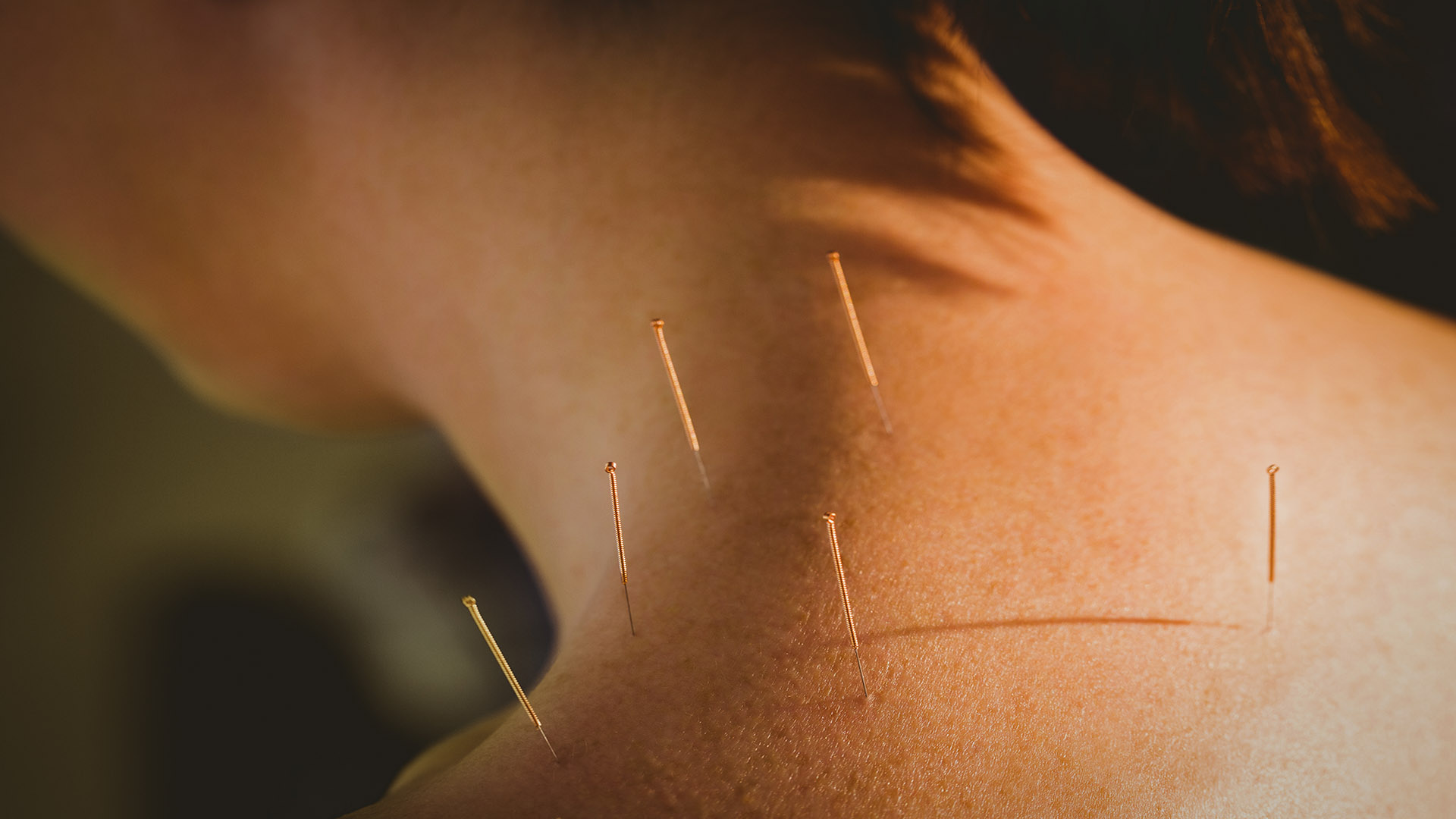
From a Traditional Chinese Medicine (TCM) viewpoint, biotoxin-related illnesses can be viewed as stagnations or imbalances in the body’s energy systems. Acupuncture targets specific points to:
- Reduce inflammation
- Boost microcirculation
- Enhance detoxification pathways
Immune Modulation
Acupuncture may also help regulate immune function—especially crucial if the body is in a heightened inflammatory state due to mold or tick-borne pathogens.
Pain and Stress Relief
Chronic pain, fatigue, and stress are common among those dealing with biotoxins. Regular acupuncture sessions may alleviate these symptoms by releasing endorphins, calming the nervous system, and improving sleep quality.

Combining Therapies for Best Results
An integrative approach often includes a combination of:
- Functional Lab Testing: To identify specific pathogens, toxins, and nutrient deficiencies.
- Acupuncture Sessions: To address pain, stress, and overall energetic balance.
- Nutritional and Lifestyle Changes: Customized diet, exercise, and stress management.
- Herbal and Supplemental Support: Targeted botanicals and binders.
- Environmental Interventions: Mold remediation, tick prevention, and other modifications to reduce ongoing exposure.
By weaving these interventions together, patients may experience more robust, lasting relief.
Tips for Long-Term Wellness
- Regular Check-Ups: Ongoing monitoring helps track progress and adjust treatment strategies.
- Self-Care Routines: Adequate sleep, gentle movement (like yoga or qi gong), and mindfulness techniques support healing.
- Stay Educated: Learn about mold prevention, tick habitats, and the latest research on biotoxins.
- Work with a Qualified Team: Work with healthcare professionals experienced in functional and integrative medicine, as well as a board licensed acupuncturist.
Final Thoughts
Biotoxin-related illnesses, whether from mold exposure or tick-borne infections, can be complex and challenging to treat. An integrative approach that includes functional medicine diagnostics, nutritional and lifestyle support, targeted botanical therapies, and regular acupuncture may offer a well-rounded path to recovery. By addressing the root cause and supporting the body’s innate healing capabilities, patients stand a better chance of regaining vitality and long-term health.