The Holiday Survival Blueprint: A Gentle Guide to Staying Balanced Through the Season
By Dr. Amy Shouse Filippelli, DACM, MS, LAc San Rafael Acupuncture + Integrative Medicine | Norcalintegrativemedicine.com
Late Winter Is a Liminal Season. Here’s How to Care for Your Body in the In-Between
Late winter has a strange quality to it.
The holidays are long over. The days are technically getting longer. The calendar insists it’s time to feel motivated again—but many people don’t.
Instead, they feel tired, flat, foggy, unmotivated, or oddly fragile.
If that’s you, nothing has gone wrong.
Late winter is a liminal season—a threshold between rest and renewal. And your body often recognizes this transition before your mind does.

In medicine, seasons don’t flip like a switch. They shift
gradually.
From a Traditional Chinese Medicine perspective, late winter is still associated with conserving energy and protecting reserves. This is not a time the body is designed for constant output or aggressive change.
From a modern physiological standpoint, many systems are still catching
up:
● Circadian rhythms are adjusting to limited daylight
● Neurotransmitters like dopamine and serotonin rebound slowly
● The immune system may still be recovering from months of viral exposure
● Stress hormones often remain elevated after a long winter of “pushing through”
So when people say, “I don’t know why I still feel so off,” the answer is often simple: the body is still transitioning.
Late winter symptoms are often subtle but persistent. They may include:
● Fatigue even when you’re sleeping enough
● Low motivation or a flat, gray mood
● Getting sick repeatedly or never fully recovering
● Cravings for carbohydrates or salty foods
● Dizziness or lightheadedness when standing
● A lingering sense that you should feel better by now
That last one—the self-judgment—can be the most exhausting part.

Caring for your body in late winter isn’t about discipline or
willpower. It’s about support.
This is not the season for extremes. Aggressive fasting, intense detoxes, or punishing exercise routines often backfire in February. The nervous system needs steadiness and safety before motivation can return.
Light exposure is one of the simplest and most overlooked supports. Morning daylight—even on cloudy days—helps regulate sleep, mood, hormones, and energy. Motivation often follows biology, not the other way
around.
Blood sugar stability also matters more than many people realize this time
of year. Skipping meals, under-eating protein, or relying heavily on caffeine can increase fatigue and stress. Many people feel better with regular meals and protein earlier in the day, especially during seasonal transitions.
Minerals are another common missing piece. Filtered water, winter dehydration, stress, and dietary changes can contribute to low magnesium, sodium, or potassium. Fatigue, dizziness, palpitations, and unexplained
anxiety can all be signs that the body needs better mineral support.
And finally, rest is still medicine. Biologically, winter isn’t over yet. Allowing extra rest now helps prevent burnout and illness later. Resting during a transition is not laziness—it’s timing.

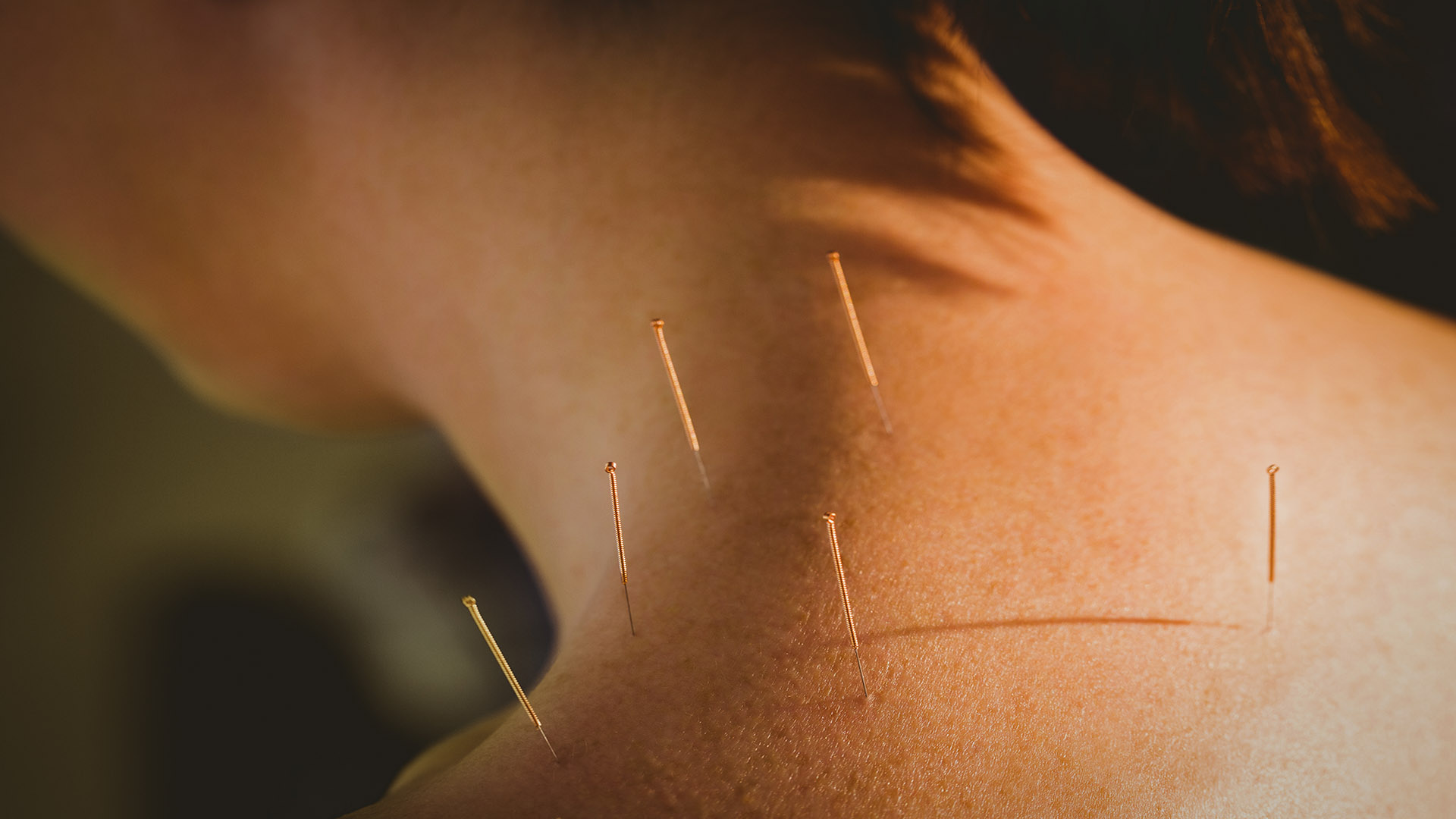
Acupuncture can be especially helpful during seasonal transitions like late winter. Rather than forcing the body into change, it supports the nervous system and helps the body shift states more smoothly. Many people notice improvements in sleep, mood, energy, and immune resilience when they receive care during this in-between phase.
If fatigue, low mood, or frequent illness persist despite rest and lifestyle changes, it may be worth looking a little deeper. Targeted lab testing can help identify contributors such as iron or ferritin levels, vitamin D balance, thyroid patterns, inflammation, or metabolic stress.
Acupuncture and individualized lab review can offer clarity during times when symptoms don’t quite add up.
Late winter is not a failure of motivation. It’s a biological pause.
You don’t need to bloom yet.
You just need support while your body remembers how.
Appointments and lab consultations are available. If this season feels harder than it “should,” that information is worth listening to.
Appointments and lab consultations are available.
If this season feels harder than it “should,” that information is worth listening to.
With care and grounding, Dr. Amy Shouse Filippelli, DACM, MS, LAc