How to Get Adequate Protein for Bone & Muscle health
Protein for Bone & Muscle Health
When most people think about bone health, they think about calcium. While calcium is certainly important, protein deserves just as much attention.
Your bones are made of two major components: minerals (primarily calcium and phosphorus) that provide strength, and collagen, a protein that provides flexibility and resilience. Together, they create bones that are both strong and resistant to fracture.
Think of it this way: if bones were made only of calcium, they would be brittle much like a piece of chalk. Drop a piece of chalk on the ground and it easily breaks into several pieces. Collagen acts like the framework that gives bone its flexibility and helps absorb force.
In a nutshell:
- Calcium gives bones strength.
- Protein and collagen give bones flexibility and resilience.
If you’re taking calcium supplements to support bone health, don’t forget to pay attention to your protein intake as well.
Protein and Muscle Health
Protein is also essential for building and maintaining muscle.
As we age, our bodies become less efficient at building muscle a process called muscle protein synthesis. This means older adults generally need more protein, not less, to maintain muscle mass.
Maintaining muscle is one of the best investments you can make for healthy aging. Strong muscles improve:
- Balance
- Strength
- Mobility
- Independence
- Overall longevity
One of the greatest risks as we age is falling. Weak muscles combined with fragile bones dramatically increase the risk of fractures.
There’s an old saying in medicine:
“Break a hip, get pneumonia, die.”
While it sounds harsh, it reflects a real concern. Hip fractures carry a surprisingly high mortality rate in older adults because they often lead to prolonged immobility, complications such as pneumonia, and loss of independence.
Maintaining strong bones and muscles through adequate protein intake, resistance exercise, and proper nutrition can help reduce this risk.
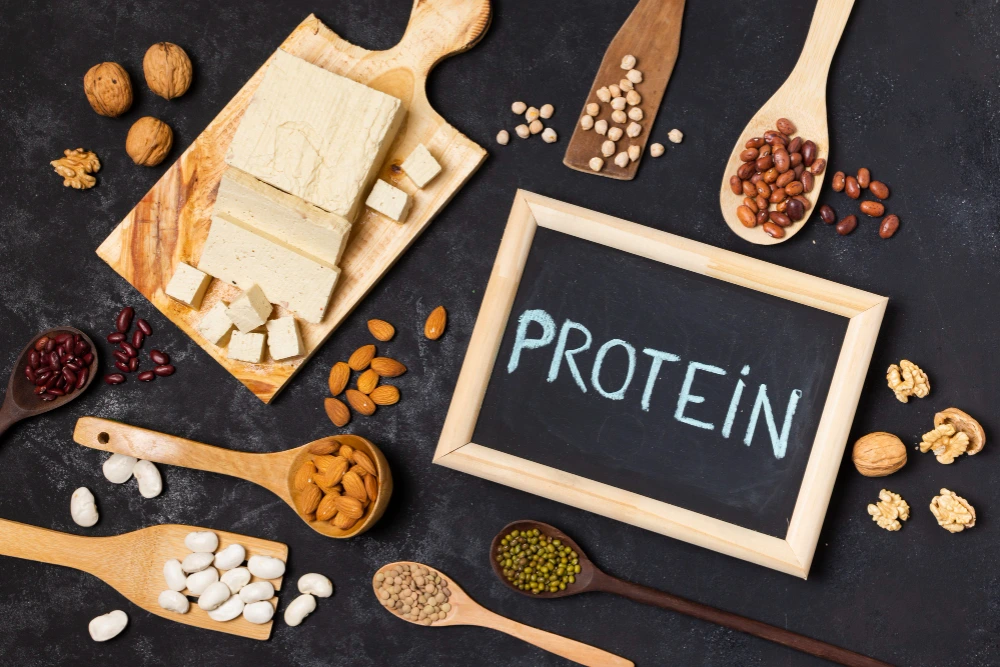
How Much Protein Do You Need?
Protein needs vary depending on age, activity level, and body composition.
For estimating protein needs, I prefer using ideal body weight rather than current body weight if someone is significantly overweight.
For example:
- Current weight: 160 pounds
- Ideal body weight: 140 pounds
In this case, I would calculate protein needs based on 140 pounds, not 160.
Minimum vs. Optimal Intake
The current Recommended Dietary Allowance (RDA) is approximately 0.36 grams of protein per pound of body weight (0.8 g/kg). This amount is intended to prevent deficiency—not necessarily optimize health, muscle maintenance, or healthy aging.
For most healthy adults, I prefer aiming closer to 0.55 grams per pound of ideal body weight (about 1.2 g/kg).
For someone whose ideal body weight is 140 pounds:
- Minimum: 50 grams/day
- More optimal: 75–80 grams/day
Individuals who strength train regularly, are recovering from illness or injury, or are over age 65 often benefit from even higher intakes.
Spread Your Protein Throughout the Day
One common myth is that your body can only absorb about 30 grams of protein in one meal. Fortunately, that’s not true.
Your digestive system absorbs essentially all of the protein you eat.
However, spreading protein across the day appears to be beneficial because each meal provides an opportunity to stimulate muscle protein synthesis.
For many adults, aiming for approximately 25–35 grams of protein per meal is a practical target. Larger individuals or those who are highly active may benefit from somewhat higher amounts.
Whether you eat three meals a day or include a high-protein snack doesn’t matter nearly as much as consistently reaching your daily protein goal.
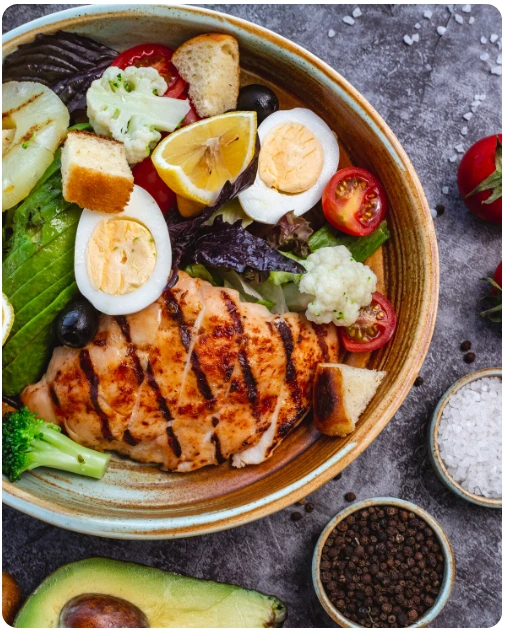
What Does 25–30 Grams of Protein Look Like?
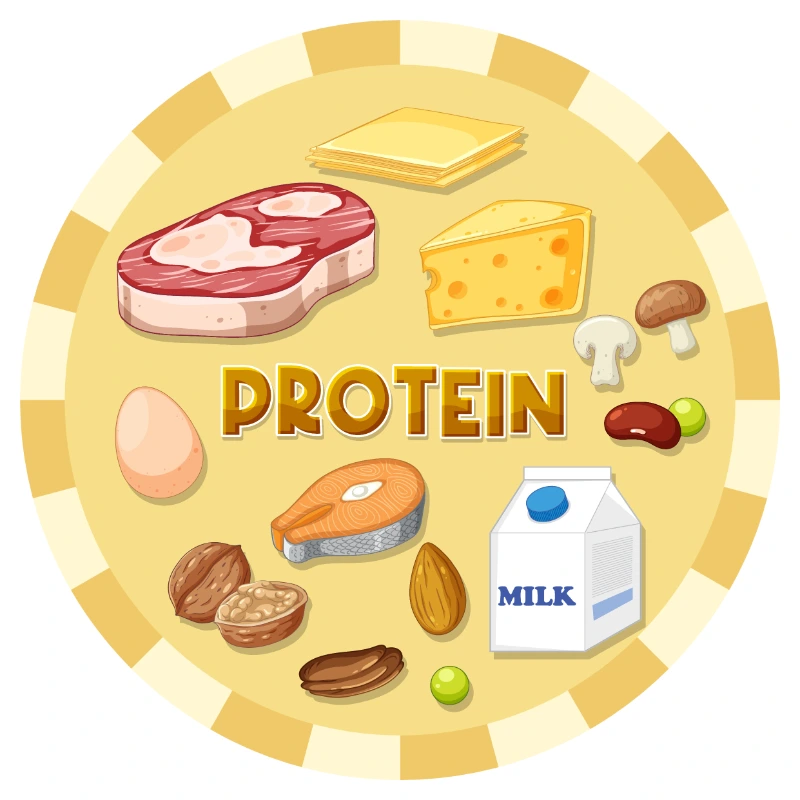
Approximate protein content of common foods:
- 1 large egg: 6 grams
- 1 cup chopped chicken breast: 35 grams
- ¼-pound hamburger patty: 25 grams
- 1 scoop whey isolate protein powder: 25 grams
- 1 cup plain Greek yogurt: 18–20 grams
- 1 cup cottage cheese: 25–28 grams
A quick visual estimate is that a serving of cooked meat about the size of the palm of your hand typically provides 25–30 grams of protein, although this varies depending on the type of meat and the size of your hand.
Animal Protein vs. Plant Protein
Both animal and plant foods contain protein, but they differ in their amino acid profiles.
One amino acid that plays a particularly important role in stimulating muscle protein synthesis is leucine.
Animal proteins—including poultry, fish, eggs, dairy, and lean meats—are naturally rich in leucine and contain all of the essential amino acids in optimal proportions.
Many plant proteins contain less leucine and may require larger portions or combining different protein sources to achieve a similar muscle-building effect.
This doesn’t mean plant proteins are unhealthy—they’re excellent foods with many health benefits. However, people eating mostly plant-based diets should be more intentional about meeting their protein needs.
For vegetarians, dairy products, eggs, and whey protein can make it much easier to reach protein goals. Vegans can absolutely meet their protein needs as well but generally need to pay closer attention to total intake and protein variety.
The Bottom Line
Protein is far more than a nutrient for athletes—it’s essential for healthy aging.
Adequate protein supports:
- Strong bones
- Healthy muscles
- Better balance
- Improved recovery
- Greater independence as we age
Pair adequate protein with regular resistance training, walking, or other weight-bearing exercise, and you’ll give your body the tools it needs to stay strong for decades to come.
I actually like this topic enough that I’d consider breaking it into a series rather than one long article. One post could focus on protein and longevity, another on protein myths (including the 30-gram myth), and another on how much protein women over 40 really need. Those tend to perform well for SEO because they’re questions people are actively searching for.
If you’re in San Rafael or Marin County and want to explore this work, you can schedule an appointment through the booking page or reach out with questions